


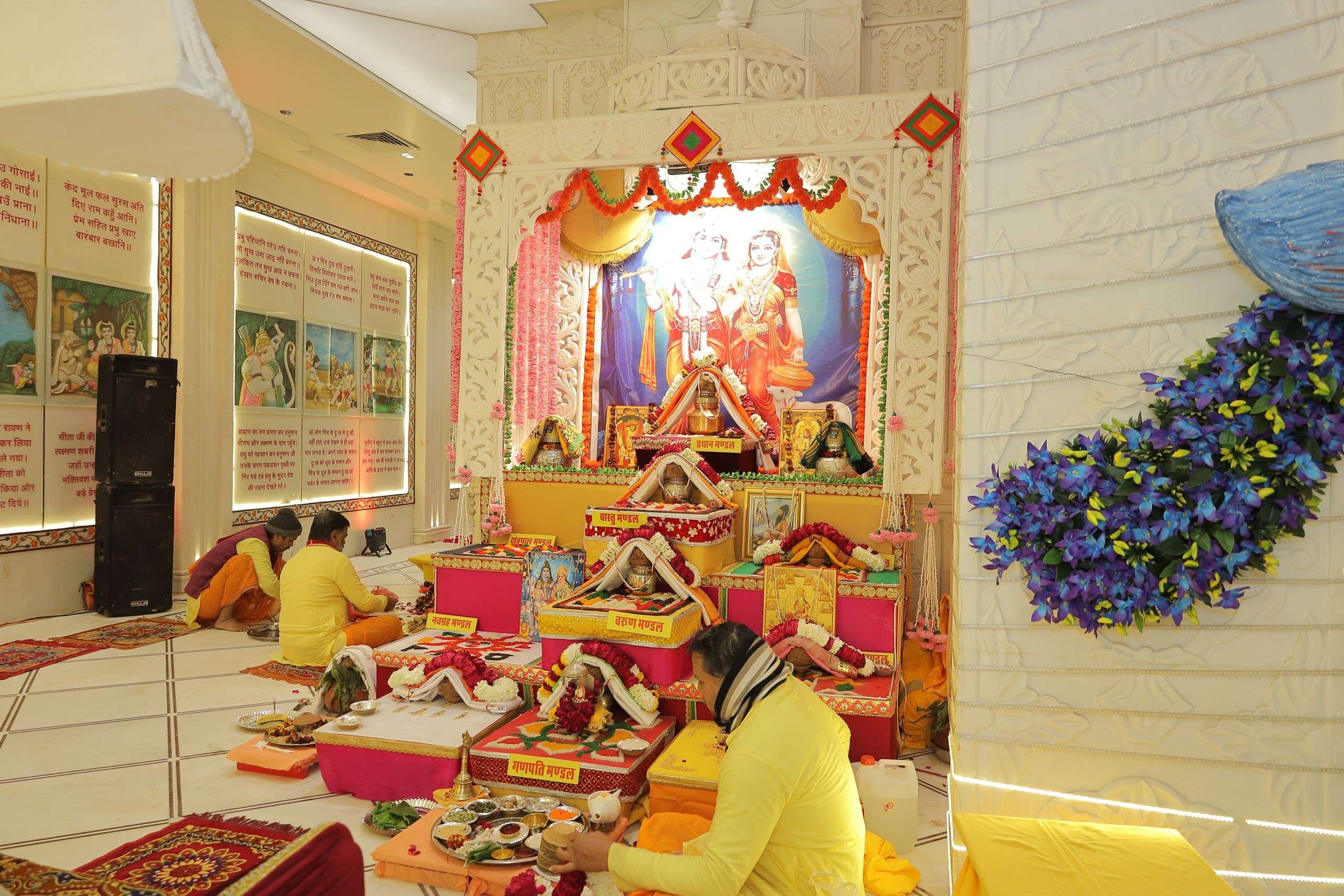
India is a land where the divine and the mystical are not separated by walls of reason. For the Indian community in Hong Kong — living amidst the gleaming skyscrapers of one of Asia’s most modern cities — the pull of ancient, sacred India is never far from the heart. And few places in India stir the soul quite like the Mehandipur Balaji Temple in Rajasthan: a 1,000-year-old shrine that stands not merely as a place of worship, but as a living, breathing court of divine justice where evil is confronted, spirits are expelled, and faith performs miracles that defy all rational explanation.
Located in the Dausa district of Rajasthan, roughly 110 kilometres from the Pink City of Jaipur, the Mehandipur Balaji Temple is unlike any other religious site in India. It is dedicated to Lord Hanuman — worshipped here in his childhood form as Balaji — and it is widely regarded as the most powerful temple in the country for curing individuals afflicted by black magic, evil spirits, and paranormal possession. Every year, hundreds of thousands of devotees make the pilgrimage to this extraordinary place, seeking healing, liberation, and the blessings of the divine.
A Temple Born of Divine Vision: The History
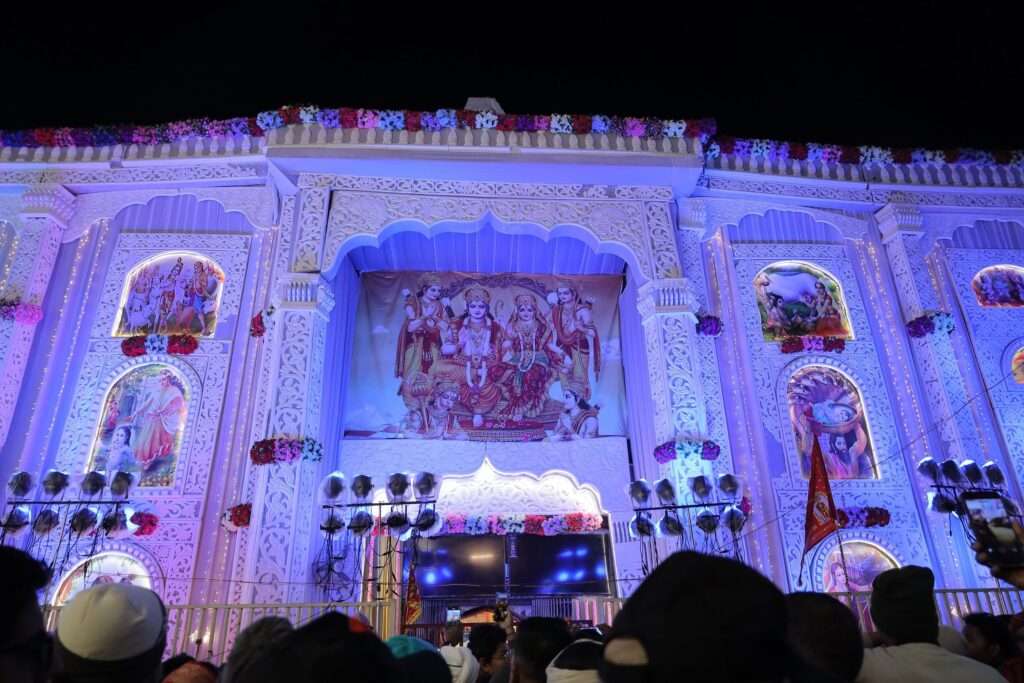
The Mehandipur Balaji Temple is believed to be over a thousand years old, its origins shrouded in the mists of legend and devotion. According to traditional belief, the idol of Lord Hanuman at this temple is swayambhu — self-manifested — meaning it was not crafted by human hands but emerged miraculously from the rocks of the Aravalli Hills. The location was once a dense, wild jungle, home to animals and far removed from human habitation.
The story of the temple’s founding begins with an ancestor of Shri Mahant Ji, the presiding priest whose family has served the temple for generations. According to lore, the deity appeared to him in a divine vision and commanded him to begin worship at the site. Obediently, he cleared the jungle and established a place of prayer. Over the centuries, as word spread of the miraculous powers of the self-manifested idol, the forest gave way to the village of Mehandipur, and the temple grew into the magnificent structure that stands today.
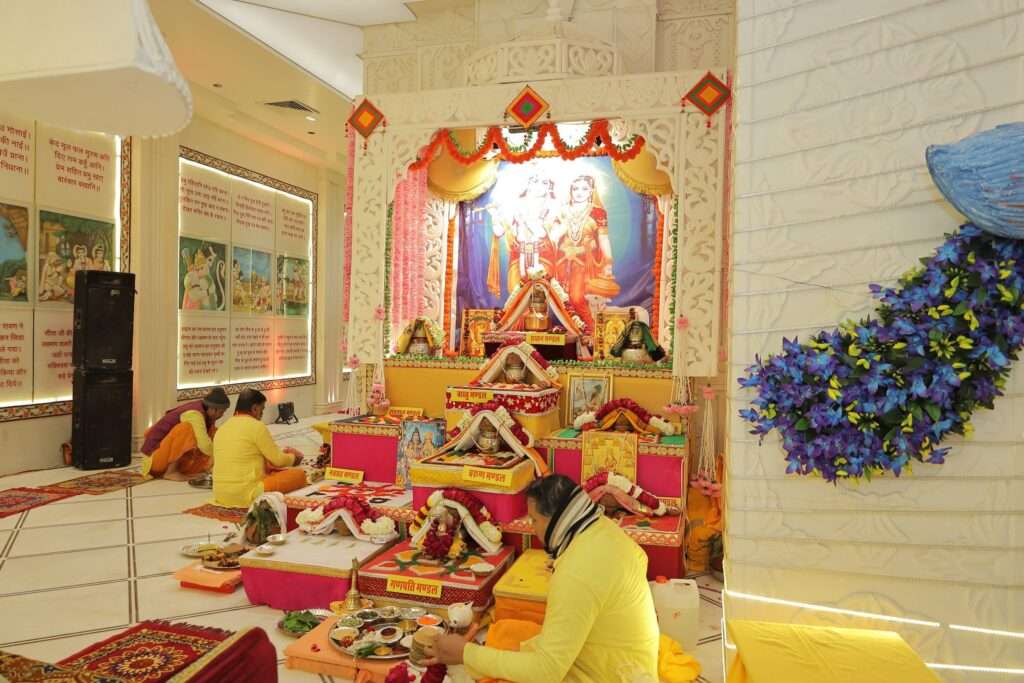
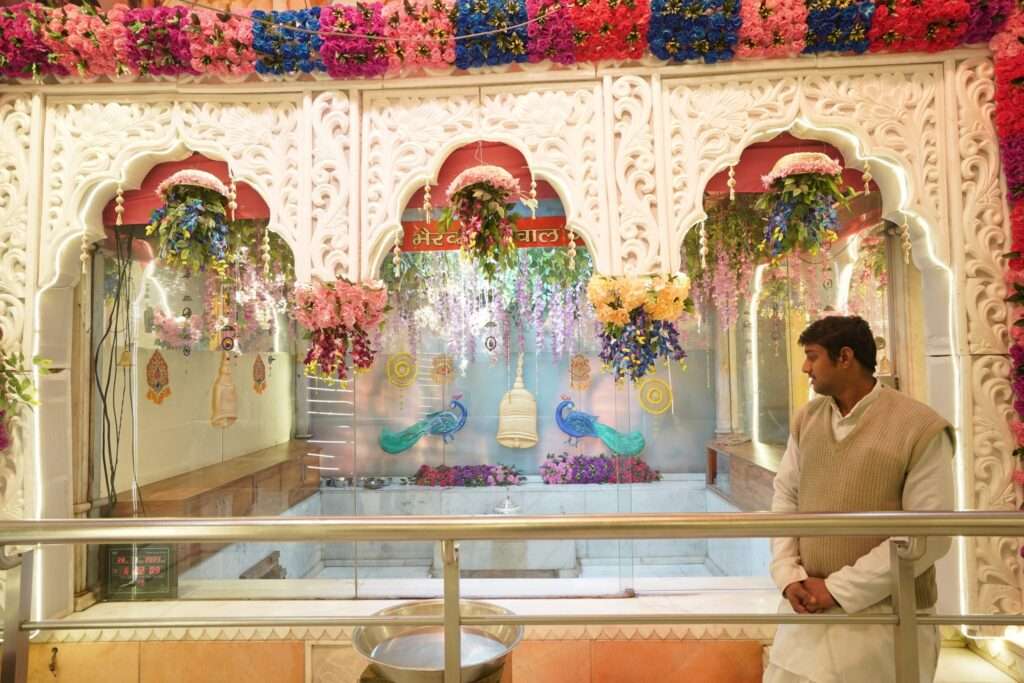
The temple’s architecture is a testament to the traditional Rajput style, featuring intricate stone carvings, small pillared balconies, and a series of four chambers. The first two chambers house the idols of Lord Hanuman (Balaji) and Lord Bhairav Ji. The third and fourth chambers constitute the courts of Pretraj Sarkar — the King of Spirits — where the most intense rituals of exorcism and spiritual healing take place.
The Holy Trinity of Mehandipur: Three Deities, One Purpose
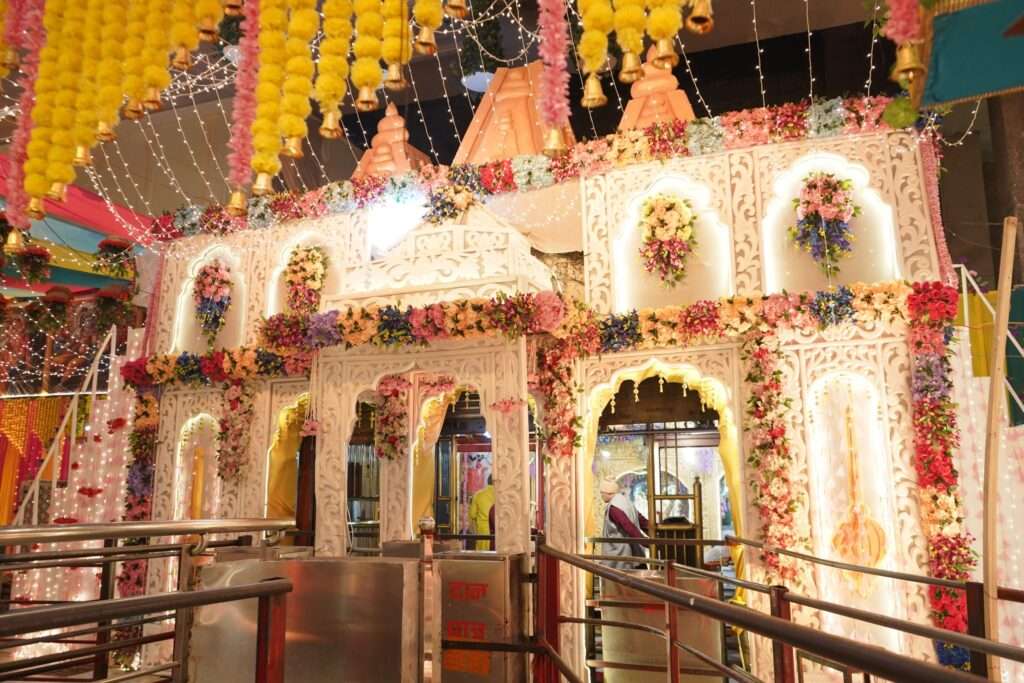
What makes Mehandipur Balaji truly unique is the presence of three distinct deities, each playing a specific and complementary role in the process of spiritual healing. Together, they form a divine court of justice for the afflicted.
Lord Balaji (Hanuman Ji): The presiding deity and the supreme power of the temple. Worshipped in his childhood form, Balaji is the ultimate protector and liberator. His blessings are believed to be capable of breaking the most powerful spells of black magic and driving away the most stubborn evil spirits. Devotees address him with the chant of “Jai Bala!” — and the sound of this chant reverberates through the temple at all hours.
Shri Pretraj Sarkar (King of Spirits): This deity is the judge and ruler of the spirit world. When a devotee or their afflicted family member approaches the temple, it is Pretraj Sarkar who hears the case. The afflicted soul is brought before his court, and the evil spirit or entity is summoned and interrogated. Every day at 2 PM, a Kirtan (devotional singing session) is held in Pretraj’s court, during which the spirits are treated and, if the devotee’s faith is strong enough, expelled.
Bhairav Ji (Kotwal Kaptan): Bhairav Ji serves as the head of the divine army — the enforcer of Pretraj’s judgments. He is the one who carries out the punishment meted out to evil spirits and ensures they do not return to trouble the devotee. Offerings to Bhairav Ji include rice and urad dal, presented in a specific manner during the Arzi ritual.
The Power to Conquer Darkness: Black Magic and Evil Spirits
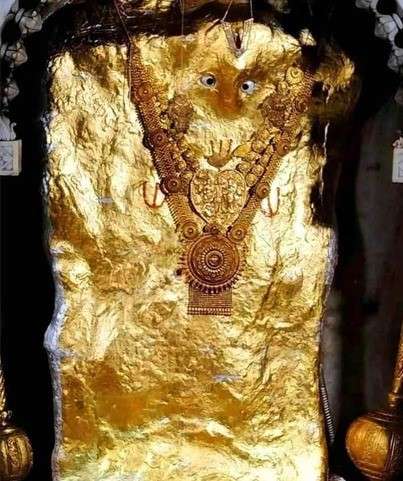
The Mehandipur Balaji Temple holds the singular distinction of being the only temple in India widely recognised for its power to cure individuals suffering from the influence of black magic, evil spells, and spirit possession. The temple has been documented by journalists, academics, and travellers from across the world, all of whom have witnessed scenes that challenge the boundaries of rational understanding.
Visitors to the temple regularly witness individuals — the “Sankatwalas” or afflicted ones — exhibiting behaviour that defies normal explanation. Women are seen thrashing their heads violently, speaking in voices not their own, or screaming in languages they do not know. Men are found tied to iron railings, with heavy stones placed on their bodies, as priests chant mantras over them. Some devotees pour boiling water on themselves and feel no pain.
The temple’s power is attributed to the unique combination of its three deities and the concentrated spiritual energy accumulated at this site over centuries of intense worship. It is said that the moment an evil spirit or entity enters the temple premises, it is compelled to reveal itself — hence the unusual behaviour seen in the afflicted. The divine energy of Balaji acts as a powerful repellent, forcing the darkness out of the human body and into the open, where it can be confronted and expelled.
The Sacred Procedures: Step-by-Step Rituals at the Temple
The path to healing at Mehandipur Balaji is not a passive one. It requires active participation, faith, and strict adherence to prescribed rituals. The process of spiritual cleansing is divided into four primary categories:
1. Darkhasta — The Petition to the Divine Court
The word “Darkhasta” means petition or application. This is the first and most fundamental ritual performed by all devotees. Upon arriving at the temple, the devotee purchases two plates of Bundi laddoos from the shops outside. The first plate represents an acknowledgment of the devotee’s presence before the deity and a request for blessings. The second plate is a specific petition — a plea for the deity to address the devotee’s problems and guide them toward resolution. The priest places these laddoos into the sacred fire burning before the idols. The devotee then consumes two laddoos from the offering. If any offering remains, the devotee must encircle the container over their head exactly seven times in an anti-clockwise direction, and then throw it away — without looking back. This same ritual is performed before all three deities.
2. Arzi — The Formal Complaint
The Arzi (meaning formal complaint or application) is a more elaborate ritual intended for those with serious afflictions. It involves a larger, specific offering: 1.25 kg of laddoos, 2.25 kg of urad dal, and 4.25 kg of boiled rice. These are presented in two separate containers — one for Pretraj Sarkar and one for Kotwal Bhairav. The Arzi is essentially a formal filing of the devotee’s case before the divine court, detailing the nature of their affliction and requesting divine intervention. This ritual is conducted outside the main temple area, at designated spots for each deity.
3. Savamani — The Vow of Gratitude
The Savamani is a vow made by the devotee to Balaji. When a devotee comes to the temple seeking relief from a specific problem or affliction, they make a promise: “Once my wish is fulfilled, I will return and offer Savamani.” This is a grand offering — a large quantity of food, sweets, and other items — presented to the deity as an act of gratitude and fulfillment of the vow.
4. The Black Ball Ritual
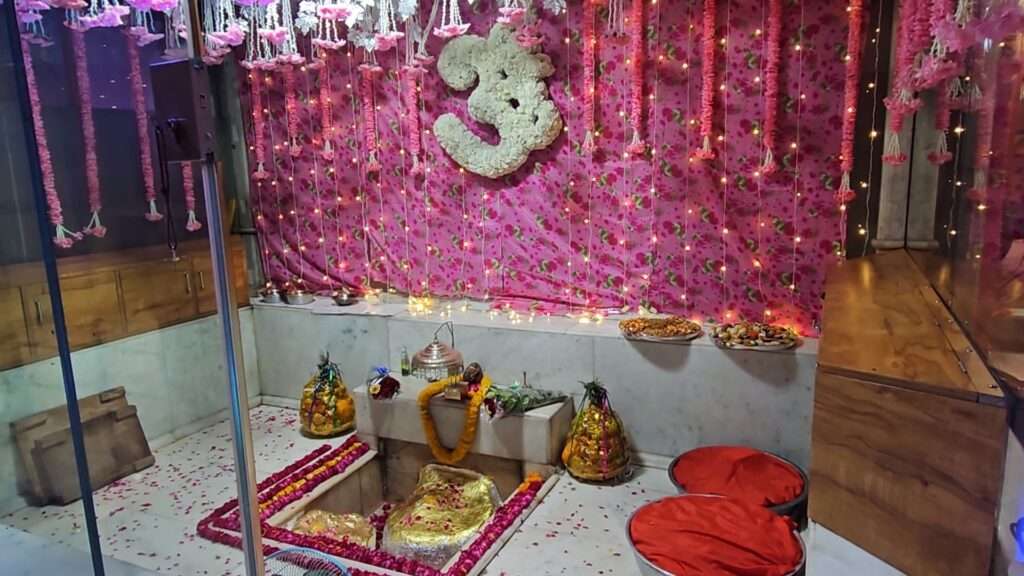
One of the most distinctive rituals at Mehandipur Balaji involves black, ball-shaped offerings (prasad) sold by vendors outside the temple. These black balls are believed to be potent absorbers of negative energy. Devotees take these balls and roll them over their bodies, symbolically transferring any negative energy or evil influence onto the ball. The ball is then thrown into the sacred fire within the temple, destroying the negativity along with it. It is absolutely forbidden to eat these black balls or to take them home.
The Sacred Rules of Mehandipur Balaji — Follow Without Exception
- Never look back when leaving: Once you have completed your darshan and rituals and begin to leave the temple premises, you must walk straight ahead without turning your head or looking back. It is believed that looking back opens a spiritual doorway that allows evil entities to follow you home.
- No food or Prasad leaves the temple: You must not take any food, Prasad, sweets, or even a water bottle from within the temple or the village boundaries. Everything must be consumed or disposed of before you cross the village boundary.
- Do not touch strangers: Avoid any physical contact with other devotees, especially those who appear to be in a trance or undergoing rituals. They may be possessed, and physical contact is believed to create a spiritual link that can transfer negative energy.
- Do not speak to the afflicted: Do not engage in conversation with the Sankatwalas (afflicted individuals). Do not mock them, laugh at them, or attempt to interact with them in any way.
- No photography or videography: Taking photographs or videos of the afflicted individuals or the exorcism rituals is strictly prohibited and considered a serious violation of the sanctity of the space.
- Strict vegetarian diet: Devotees are strongly advised to follow a pure vegetarian diet — free from meat, fish, eggs, onion, garlic, and alcohol — for at least one week before visiting the temple.
- Dress modestly; avoid black: Wear modest, comfortable clothing that covers the body appropriately. Wearing black clothing is strongly discouraged, as black is associated with negative energy in the context of this temple.
- Do not offer money to priests: Unlike many temples, priests at Mehandipur Balaji do not accept monetary donations directly. The offerings are made through the purchase of specific Prasad items from the shops outside.
- Do not bring valuables: The temple can be extremely crowded, and petty theft is a concern. Leave expensive jewellery and large amounts of cash at your accommodation.
- Maintain silence and composure: Even if you witness disturbing scenes, maintain your composure. Panic, fear, or disruptive behaviour is believed to attract negative energy.
When to Visit: Seasons, Festivals, and Sacred Days
The temple is open every day of the year, from 6:15 AM to 10:00 PM (with extended hours until 11:00 PM on Tuesdays and Saturdays). The best time to visit is from October to February, when the weather is pleasant and cool. Tuesdays and Saturdays are the most sacred days for Lord Hanuman and attract the largest crowds. Major festivals such as Hanuman Jayanti, Navratri, and Diwali are particularly auspicious times to visit, as special prayers and rituals are performed. During the summer months (April to June), temperatures in Rajasthan can exceed 42°C, so early morning visits are strongly advised.
Your Complete Travel Guide: From Hong Kong to Mehandipur Balaji
Step 1: Flying from Hong Kong to Jaipur
The nearest major airport to Mehandipur Balaji is Jaipur International Airport (JAI), located approximately 110 km from the temple. There are no direct flights from Hong Kong (HKG) to Jaipur; all routes require a connection, typically through New Delhi (DEL) or Mumbai (BOM). Airlines including Air India and IndiGo operate this route regularly. The total travel time, including the connection, is typically between 9 and 12 hours. Return flights typically cost between HKD 3,500 and HKD 5,500 depending on the season and booking lead time.
Step 2: Jaipur to Mehandipur Balaji
From Jaipur, the most comfortable option is to hire a private taxi or cab directly to the temple. The journey via NH21 (Jaipur to Dausa to Sikandra to Mehandipur) takes approximately 3 to 3.5 hours and covers roughly 110 km. For budget travellers, Rajasthan Roadways buses operate regularly from Jaipur’s Sindhi Camp Bus Stand to Dausa, from where local jeeps and autos can take you the remaining distance to the temple. The nearest railway station is Bandikui Junction, approximately 35 km from the temple.
Approximate Expense Breakdown from Hong Kong
(Per Person, 3-Day Trip)
| Expense Category | Budget | Mid-Range | Heritage/Comfort |
| Return Flights (HKG to JAI) | HKD 3,200–3,800 | HKD 4,000–4,800 | HKD 5,000–6,500 |
| Accommodation (3 nights) | HKD 400–700 | HKD 900–1,800 | HKD 2,500–5,000 |
| Airport Transfer (Jaipur) | HKD 150–200 | HKD 200–300 | HKD 300–500 |
| Jaipur–Temple–Jaipur Taxi | HKD 250–350 | HKD 350–500 | HKD 500–800 |
| Food & Meals (3 days) | HKD 200–350 | HKD 400–700 | HKD 800–1,500 |
| Temple Offerings & Prasad | HKD 50–100 | HKD 100–200 | HKD 200–500 |
| Miscellaneous | HKD 200–400 | HKD 400–700 | HKD 700–1,500 |
| TOTAL ESTIMATED | HKD 4,450–5,900 | HKD 6,350–9,000 | HKD 10,000–16,300 |
* Costs are approximate and based on 2025–2026 pricing. Temple entry is free. Ritual offerings cost between ₹50–₹300 (approximately HKD 5–30).
Travelling from India: A Domestic Pilgrim's Guide
| Origin City | Best Route | Distance | Travel Time | Est. Cost (INR) |
| New Delhi | NH48 → NH21 via Agra/Bharatpur | ~300 km | 5–6 hrs by car | ₹2,500–₹4,000 (taxi) |
| Jaipur | NH21 via Dausa | ~110 km | 3–3.5 hrs | ₹1,500–₹2,500 (taxi) |
| Mumbai | Fly to Jaipur + taxi | ~1,400 km | 2.5 hrs flight + 3.5 hrs drive | ₹8,000–₹15,000 |
| Agra | NH21 via Bharatpur | ~180 km | 3.5–4 hrs by car | ₹2,000–₹3,500 (taxi) |
Accommodation Near the Temple
Dharamshalas (Pilgrim Rest Houses): The most affordable option, located within walking distance of the temple. Basic but clean facilities. Cost: ₹200–₹600 per night. Budget Hotels (Mehandipur Town): Hotel Surya Inn, Surya Vishram Greh, and Hotel The Grand offer clean rooms with AC. Cost: ₹800–₹2,500 per night. Mid-Range (Dausa District): Pinky Hotel Dausa and similar properties offer comfortable stays. Cost: ₹2,000–₹4,000 per night. Heritage & Luxury (Near Dausa): Umaid Palace, Alivaa Heritage Lotwara Fort, and Shahpura Abhaneri Resort offer a regal Rajasthani experience. Cost: ₹5,000–₹15,000 per night.
Essential Travel Tips for a Safe and Meaningful Visit
- Book accommodation in advance — especially on Tuesdays, Saturdays, and during festivals. Book at least 2–3 weeks ahead.
- Arrive early — the temple opens at 6:15 AM. Arriving early ensures shorter queues and a more peaceful atmosphere.
- Carry cash — the temple area and surrounding shops operate primarily on cash. ATMs are available in Dausa town, approximately 20 km away.
- Dress appropriately — wear comfortable, modest clothing in light colours. Avoid black. Carry a light shawl or dupatta for additional coverage inside the temple.
- Stay hydrated — carry a water bottle from your accommodation. Do not purchase or consume any food or drink within the temple village.
- Hire a local guide — for first-time visitors, a knowledgeable local guide is invaluable in navigating the rituals and ensuring you follow all rules correctly.
- Best day to visit — while Tuesdays and Saturdays are the most spiritually significant, they are also the most crowded. For a more manageable experience, visit on a weekday.
- Combine with Jaipur — Mehandipur Balaji pairs beautifully with a visit to Jaipur (3.5 hours away) and the stunning Chand Baori stepwells at Abhaneri (40 km from the temple).
- Photography etiquette — while photography of the temple exterior and architecture is generally permitted, absolutely refrain from photographing afflicted individuals or the exorcism rituals.
- Mental preparation — the scenes at this temple can be deeply unsettling for first-time visitors. Approach the experience with an open mind, respect, and emotional preparedness.
Beyond the Temple: Nearby Attractions to Enrich Your Journey
| Attraction | Distance from Temple | Highlights |
| Chand Baori Stepwell (Abhaneri) | ~40 km | One of the deepest and most beautiful stepwells in India; an architectural marvel and a UNESCO-listed heritage site. |
| Harshat Mata Temple | ~42 km | Ancient temple adjacent to Chand Baori; peaceful, photogenic, and less crowded. |
| Dausa Town | ~20 km | Local markets, authentic Rajasthani cuisine, and the historic Dausa Fort. |
| Jaipur (Pink City) | ~110 km | Amber Fort, City Palace, Hawa Mahal, vibrant bazaars, and world-class Rajasthani cuisine. |
| Fatehpur Sikri | ~130 km | UNESCO World Heritage Site; a magnificent Mughal architectural masterpiece. |
A Journey That Transforms the Soul
Visiting the Mehandipur Balaji Temple is not a conventional travel experience. It is a confrontation with the deepest layers of human faith, the most ancient traditions of Indian spirituality, and the raw, unfiltered power of the divine. For the Indian community in Hong Kong — living far from the land of their ancestors — this pilgrimage offers something that no amount of modernity can replicate: a visceral, overwhelming connection to the roots of Indian civilisation and the eternal belief that goodness, embodied in the form of Lord Hanuman, will always triumph over darkness.
Whether you come seeking healing, seeking answers, or simply seeking to understand the extraordinary depths of India’s spiritual heritage, Mehandipur Balaji will leave an indelible mark upon you. As you walk out of the temple — eyes forward, never looking back — you carry with you not just the blessings of Balaji, but a story that will be told for generations.
Jai Bajrang Bali.
Quick Reference: Shri Mehandipur Balaji Temple
Full Name: Shri Mehandipur Balaji (श्री मेहंदीपुर बालाजी मंदिर)
Address: Ghata, Mehandipur, Tehsil Sikrai, District Dausa, Rajasthan 321610, India
Deity: Lord Hanuman (Balaji), Pretraj Sarkar, Bhairav Ji
Temple Timings: 6:15 AM – 10:00 PM (Mon–Sun); until 11:00 PM on Tuesdays & Saturdays
Morning Aarti: 6:30 AM
Evening Aarti: 7:00 PM (Summer), 6:30 PM (Winter)
Entry Fee: Free
Official Website: shribalajimehandipur.org
Phone: +91 73782 22000
Nearest Airport: Jaipur International Airport (JAI) — 110 km
Nearest Railway Station: Bandikui Junction — 35 km
Best Time to Visit: October to February
Best Days: Tuesdays and Saturdays (most auspicious, but very crowded)
All information is for guidance only. Expenses are approximate and subject to change. Photos courtesy: Shri Mehandipur Balaji Official Temple Website (shribalajimehandipur.org).